

How to Choose a Small Built in Microwave Oven
Relocating your microwave into a cavity in the cabinetry or wall will save you counter space and provide you with more work surfaces. Built-in microwaves are an excellent option for kitchens of any size. They blend seamlessly into the cabinetry or wall.
This 1.2-cubic-foot oven comes with 10 power settings and presets for popular foods such as pizza, popcorn and frozen veggies. It also comes with a smart sensor that determines the cooking time based upon food weight and density.
Power
A microwave with a built-in microwave is a fantastic kitchen appliance to cook and reheating food items. Most microwaves are powerful and can heat foods quickly and evenly. It is important to choose the right microwave for your requirements. A few features to think about are size as well as power level, design, and options for controlling. Some models have large icons on the screen to aid you in choosing the best options, while others have sleek control panels that are easy to read in different lighting conditions. Other aspects to consider include the number of racks available and the type of turntable.
When you are choosing a small microwave it is essential to consider the internal capacity of the appliance. The average countertop microwave can hold a capacity of 1.2 to 2.2 cubic feet. A larger microwave can cook more food in one go, but may take longer to heat. It is important to consider the dimensions of the exterior of a small microwave to ensure it will fit in the desired place.
There are three kinds of microwaves: convection conventional and oven. Conventional microwaves make use of electromagnetic radiation to cook food, and they are ideal for everyday use like reheating leftovers or freezing frozen food items. Convection microwaves can be used to bake or roast food items. They typically have a heating element and an air-flow fan that circulates hot air around it. A microwave oven blends the functions of convection and traditional microwave into one unit.
You should not only focus on the wattage, but also to the maximum and minimum power of your microwave. The minimum power level for microwave ovens is 800 watts, while the maximum is 1,200 watts. Beware of buying a microwave that has less than 1,000 Watts, since it won't be able to cook your food.
If you're trying to reduce the size of your kitchen, think about installing a built-in microwave into your cabinetry. This can save counter space and make your home look more elegant. Trim kits are available that make your microwave appear to be part of the cabinet. These are more expensive than countertop and over-the-range microwaves but they're much more accessible and provide your kitchen with a premium look.
Convenience
A small microwave that is installed on a countertop is a convenient and easy method of heating food and beverages. It makes space on the counter and provides more space to prepare meals. But, it's essential to ensure that you select one that has the best features to meet your requirements. A lot of models have racks and a turntable, and other kitchen accessories to make cooking more convenient. Some models also have an oven that is crisper, which mimics traditional oven baking, bringing crisp texture to food.
Microwaves are available in different sizes and finishes to match the design of your kitchen. Some models have an recessed door that blends into cabinets to create a customized look. To choose the best location for your microwave, it's important to think about the frequency you'll use it and who will be using it. Also, you'll need to ensure that there's enough space for ventilation according to the instructions of the manufacturer.
Above the refrigerator, there is an ideal place to store microwaves. This keeps the microwave from being a mess and makes it easier to reach. It can be dangerous to children or those with shorter legs, and you will need to remove and store the microwave each time you use it.
Another option is to place the microwave in a separate cabinet. This is a great option for those with little counter space. It also gives a seamless and unobtrusive appearance. It's also a good option for those who don't wish to purchase microwave drawers but need a convenient place to warm food and drinks.
You can also install a pull-out pantry shelf designed to fit a microwave. These shelves are deep enough to prevent tipping and come in a variety of widths to fit the space you have. integrated combi microwave have an angled edge to keep spills from happening and prevents tipping.
Another option is to place the microwave over a matching wall-oven in a cabinet with a mid-height. This installation is classic and looks stunning in Transitional kitchens. Many manufacturers offer trim kits to ensure that the microwave is in line with the oven's depth. combi microwave oven integrated are available in louvered and flat styles, and can be installed flush or proud of the millwork.
Design
It's important to choose a design which integrates the built-in microwave into your kitchen layout. Its large footprint on the countertop can detract from the design of your kitchen. There are plenty of ways to hide this versatile small appliance, without having to sacrifice countertop space or storage.
Another option is to put in a cabinet or appliance garage to hide the microwave when not in use. This is particularly useful for kitchens with small wall space. This type of cabinet is adjustable to be in line with the door and trim style in your kitchen, giving it a an elegant and unique look.
You can also hide your microwave by placing it in the cabinetry of your pantry. This gives it a clean minimalist look and keeps it easily accessible. This kind of arrangement is perfect for a small kitchen and may be paired with other pantry cabinets to maximize storage space.
Some microwaves have turntables or racks built in which allow you to cook multiple dishes simultaneously. These features help make it more efficient and efficient. It's important that you only use microwave-safe cookware and utensils when using these appliances. Avoid metal containers or cookware with metallic accents, since they can spark and damage the microwave.
Microwaves that are specifically designed to be mounted in drawers or cabinets may have venting systems that work with these enclosed spaces. However, it's critical to talk to your contractor to ensure the proper venting is planned. Also the microwave should not be placed directly in front of a window, as this can block the window and prevent venting.
There are several other ways to incorporate microwaves into your kitchen design, including mounting it under the counter or tucking it away on an island. The drawer-style microwave is a great option for kitchens with small counter space. It is easily accessible by users of any height.
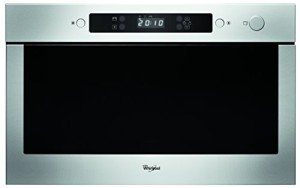
Another option is to stack the microwave on top of a built in wall oven. This kind of setup is ideal for Transitional or Traditional Kitchens. Kitchen Designers may use a trim kit for the final installation to cover any gaps. The kits are available in louvered or flat styles and can be customized to match your oven.
Cost
A microwave with a small built-in oven can be an attractive kitchen upgrade, adding both aesthetics and functionality to your kitchen's design. Choose models and finishes that complement the decor of your home. Also, look for features such as auto defrost and cook settings. The timer option is also useful. built in combi microwave come with designs that can ward off fingerprints, so you can keep them looking pristine.
While microwaves on the countertop are simple to use, they take up valuable counter space and could limit your kitchen's flexibility and design options. If you're concerned about this, consider an recessed model that could be installed within the cabinetry for a sleek, custom look. A small built in microwave oven that is installed on the kitchen island could give you more space while giving an attractive, integrated look. It is important to remember that a microwave with a recess needs enough air around the sides and rear to perform properly.
Think about how often you use your microwave and the kind of food items you cook most often when deciding where to put it. If you cook mostly pizzas and frozen meals select a model with a higher wattage that will cook your food quickly and evenly. If you're cooking vegetables or other food items that require a more delicate heating, look into using a smaller wattage model that can prevent overcooking and scorching.
If you're unable to fit your microwave in cabinets or prefer a smaller model, you can set it up on a small, movable stand. These stands have an underlying structure that can support the microwave and hold it upright, and they're usually designed to ward off fingerprints for a clean appearance. They're a low-cost and practical alternative that can be used as a temporary microwave solution until you can locate a permanent home for it in your kitchen.
Another alternative is to put a microwave in the corner of your kitchen, and it could double as a mini-hood for your stove. This is a great method to make space, however it's not recommended for homes with children or elderly residents who require easy access to their kitchen. A corner microwave should also not be set in the window's direction, since it could block the airflow and break glass in the event of an emergency.